Maximising Rose Health with Mycorrhizal Fungi Benefits
Roses are among the most cherished garden plants, admired for their beauty and fragrance. Yet, growing healthy roses can be challenging due to their specific nutrient and soil needs. One natural way to boost rose health is by using mycorrhizal fungi. These fungi form beneficial partnerships with rose roots, improving nutrient uptake and overall plant vigor. This post explores how mycorrhizal fungi support rose care and offers practical advice on applying them effectively.
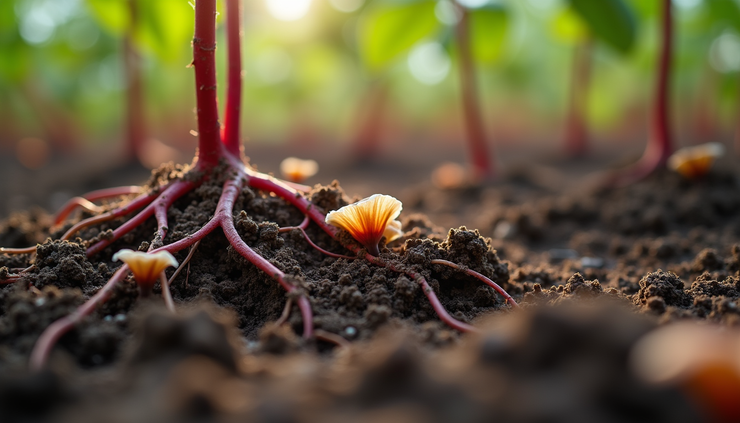
What Are Mycorrhizal Fungi and Why They Matter for Roses
Mycorrhizal fungi live in the soil and form symbiotic relationships with plant roots. They extend the root system by creating fine networks called hyphae, which reach nutrients and water beyond the roots’ immediate zone. For roses, this means better access to phosphorus, nitrogen, and trace minerals essential for growth and flowering.
These fungi also improve soil structure by binding soil particles, increasing aeration and water retention. They help roses withstand drought and resist soil-borne diseases by creating a protective barrier around roots. In essence, mycorrhizal fungi act as natural boosters for rose health, reducing the need for chemical fertilizers and pesticides.
How Mycorrhizal Fungi Improve Rose Growth
Enhanced Nutrient Uptake
Roses require phosphorus for strong root development and vibrant blooms. Mycorrhizal fungi increase phosphorus absorption by up to 80%, according to some studies. They also help absorb micronutrients like zinc and copper, which support disease resistance.
Improved Water Absorption
The fungal network extends the root’s reach, allowing roses to access moisture deeper in the soil. This helps during dry spells, keeping roses hydrated and less stressed.
Disease Resistance
Mycorrhizal fungi can reduce root infections by competing with harmful pathogens. They stimulate the rose’s immune responses, making plants more resilient.
Better Soil Health
Fungi improve soil texture and organic matter breakdown, creating a healthier environment for roses to thrive.
Signs Your Roses Need Mycorrhizal Fungi
If your roses show these symptoms, they may benefit from mycorrhizal fungi:
Poor growth despite regular watering and feeding
Yellowing leaves or weak stems
Reduced flowering or small blooms
Soil that is compacted or low in organic matter
Frequent root diseases or wilting
Adding mycorrhizal fungi can help restore balance and improve these conditions.
How to Apply Mycorrhizal Fungi to Roses
Applying mycorrhizal fungi correctly is key to success. Here are practical steps to follow:
1. Choose the Right Product
Mycorrhizal fungi come in powder, granules, or liquid forms. Look for products labeled for use with roses or flowering plants.
2. Prepare the Soil
Before applying fungi, loosen the soil around your roses to improve root contact. Remove weeds and add organic matter like compost to support fungal growth.
3. Application Methods
At Planting
When planting new roses, dip roots into a mycorrhizal powder slurry or sprinkle granules directly into the planting hole. Cover roots gently with soil and water well.
For Established Roses
Apply granules around the base of the plant, near the root zone. Lightly rake them into the soil surface and water thoroughly to activate the fungi.
Using Liquid Form
Dilute the liquid mycorrhizal inoculant according to package instructions and water it around the rose roots.
4. Timing
Apply mycorrhizal fungi during planting or early in the growing season when roots are actively growing. Avoid applying during extreme heat or drought, as fungi need moisture to establish.
5. Avoid Chemicals That Harm Fungi
Do not use fungicides or high-phosphorus fertilisers immediately after applying mycorrhizal fungi. These can kill or inhibit fungal growth.
Tips for Supporting Mycorrhizal Fungi in Your Rose Garden
Use organic mulches like shredded bark or leaf mold to maintain soil moisture and temperature.
Avoid over-tilling, which can disrupt fungal networks.
Incorporate compost regularly to feed soil microbes.
Rotate plants and avoid monoculture to keep soil healthy.
Water deeply but infrequently to encourage deep root growth and fungal activity.
Real-Life Example: Mycorrhizal Fungi in a Rose Garden
A home gardener in Oregon reported improved rose health after applying mycorrhizal fungi. Before treatment, their roses had sparse blooms and yellow leaves. After applying fungi at planting and again mid-season, the roses showed stronger stems, richer green leaves, and a 30% increase in flower production within two months. The gardener also reduced fertiliser use by half, saving money and reducing chemical runoff.
Common Questions About Mycorrhizal Fungi and Roses
Can I use mycorrhizal fungi with potted roses?
Yes. Mix the fungi into potting soil before planting or apply as a liquid drench to established potted roses.
How often should I apply mycorrhizal fungi?
Usually once per growing season is enough. Reapply if you repot or transplant roses.
Will mycorrhizal fungi work in all soil types?
They work best in well-drained soils with some organic matter. Very sandy or heavily compacted soils may need amendments for best results.


Comments