Steps to Creating a Stunning Garden
Creating a garden that captivates the eye and soothes the soul is a rewarding journey. Whether you have a small patch of land or a sprawling backyard, the process of transforming it into a lush, vibrant space is both an art and a science. I’ve found that with a little planning, patience, and passion, anyone can cultivate a garden that feels like a personal sanctuary. Let me walk you through the essential steps to creating a stunning garden that will flourish year after year.
Planning Your Space for Creating a Stunning Garden
Before you dig the first hole or plant the first seed, it’s important to plan your garden carefully. Think of this as laying the foundation for your green masterpiece. Start by observing your space throughout the day. Notice where the sun shines the longest, where shadows fall, and how the wind moves through the area. These factors will influence what plants will thrive.
Next, sketch a rough layout of your garden. Include existing features like trees, fences, and pathways. Decide on the style you want - do you prefer a formal garden with neat lines, or a wildflower meadow that feels more natural? Consider the purpose of your garden too. Will it be a place for relaxation, growing vegetables, or entertaining guests?
When planning, keep in mind the soil type and drainage. You can test your soil’s texture and pH with simple kits available at garden centres. This information helps you choose plants that will be happiest in your garden’s conditions.
Essential Tips for Creating a Stunning Garden
Once your plan is in place, it’s time to bring it to life. Here are some practical tips to help you along the way:
Start with healthy soil: Enrich your soil with organic matter like compost or well-rotted manure. This improves fertility and structure, giving plants a strong start.
Choose plants wisely: Select a mix of perennials, shrubs, and annuals that bloom at different times. This ensures your garden has colour and interest throughout the seasons.
Group plants by needs: Place plants with similar water and sunlight requirements together. This makes maintenance easier and helps plants thrive.
Add layers: Think vertically as well as horizontally. Use climbing plants, tall shrubs, and ground covers to create depth and texture.
Incorporate paths and seating: Paths guide visitors through your garden, while seating areas invite you to pause and enjoy the view.
Use mulch: Mulching helps retain moisture, suppress weeds, and improve soil quality.
Remember, gardening is a journey. Don’t rush. Watch how your plants grow and adjust your care routine as needed.
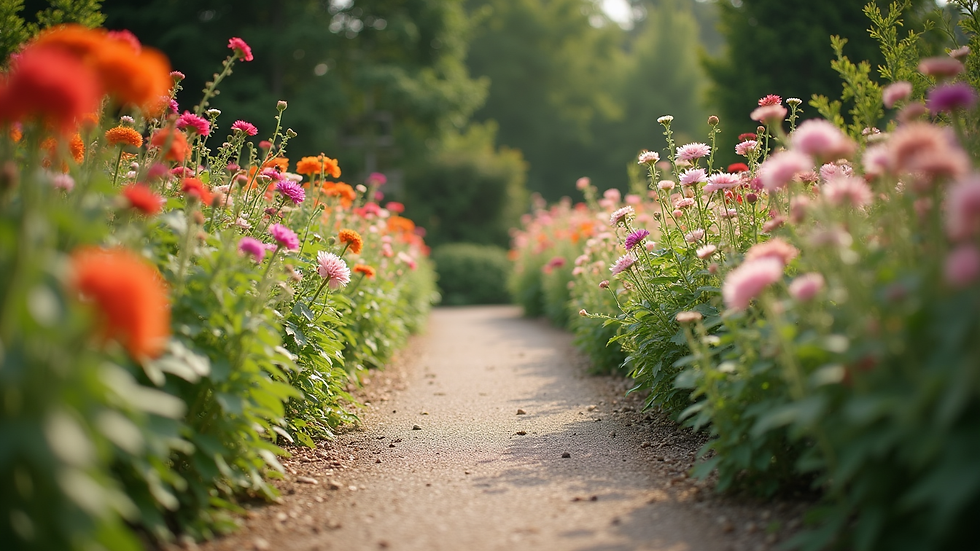
Does Baking Soda Make Flowers Bloom Fuller?
You might have heard that baking soda can help flowers bloom fuller and brighter. This idea comes from baking soda’s alkaline nature, which can affect soil pH. However, the truth is a bit more nuanced.
Most garden plants prefer slightly acidic to neutral soil, so adding baking soda, which raises pH, might not always be beneficial. In fact, too much baking soda can harm plants by disrupting nutrient uptake. If you want to experiment, use a very diluted solution and apply it sparingly to a small area first.
For fuller blooms, focus on proper fertilisation, watering, and sunlight. Using a balanced fertiliser rich in phosphorus encourages flower development. Regular deadheading (removing spent flowers) also promotes new blooms.
In short, baking soda is not a magic fix for fuller flowers. Instead, nurture your plants with good soil, adequate nutrients, and consistent care.
Plant Selection and Seasonal Considerations
Choosing the right plants is key to a stunning garden that changes beautifully with the seasons. Start by selecting native or well-adapted plants for your region. These tend to be hardier and require less maintenance.
Consider plants that offer a variety of textures, colours, and heights. For example:
Spring: Daffodils, tulips, and primroses bring early colour.
Summer: Lavender, roses, and dahlias provide vibrant blooms.
Autumn: Chrysanthemums and asters add late-season interest.
Winter: Evergreens and plants with colourful berries keep the garden alive.
Mixing evergreen shrubs with deciduous plants ensures your garden looks good year-round. Also, think about pollinator-friendly plants to attract bees and butterflies, which add life and help your garden thrive.
When planting, space your plants according to their mature size to avoid overcrowding. This gives each plant room to grow and reduces disease risk.
Maintenance Tips for a Long-Lasting Garden
A stunning garden needs ongoing care to stay healthy and beautiful. Here are some maintenance tips that have worked well for me:
Water wisely: Water early in the morning or late in the evening to reduce evaporation. Use drip irrigation or soaker hoses to deliver water directly to roots.
Feed regularly: Use organic fertilisers or compost tea to nourish your plants. Avoid over-fertilising, which can cause excessive leaf growth at the expense of flowers.
Prune thoughtfully: Remove dead or diseased branches promptly. Pruning encourages healthy growth and improves air circulation.
Control pests naturally: Encourage beneficial insects like ladybirds and lacewings. Use natural remedies such as neem oil or insecticidal soap if needed.
Weed consistently: Weeds compete with your plants for nutrients and water. Regular weeding keeps your garden tidy and healthy.
By staying attentive and proactive, your garden will reward you with beauty and bounty.
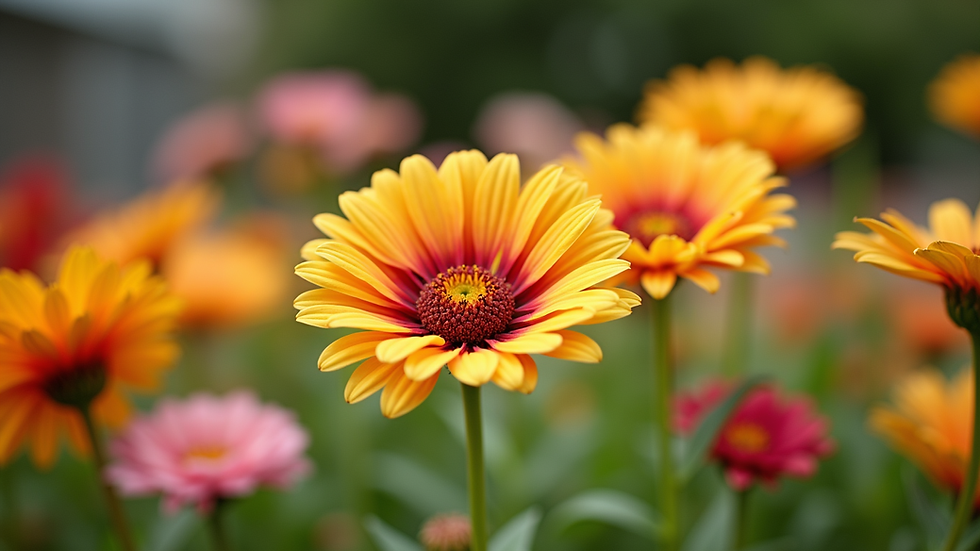
Gardening is a wonderful way to connect with nature and create a peaceful retreat right outside your door. If you’re wondering about how to create a beautiful garden, remember that every garden starts with a single seed of inspiration and grows with care and patience. Embrace the process, and soon you’ll have a stunning garden to enjoy and share.
Bringing Your Garden to Life
The final step in creating a stunning garden is to enjoy it fully. Add personal touches like garden ornaments, bird feeders, or a cosy bench. Invite friends and family to share in the beauty you’ve cultivated. Take time to sit quietly and watch the changing seasons, the flutter of butterflies, and the gentle sway of flowers in the breeze.
Gardening is more than just planting; it’s about creating a living space that nurtures your spirit. With these steps, you’re well on your way to crafting a garden that’s not only stunning but also a true reflection of your love for nature. Happy gardening!


Comments